

As students enter Secondary 5 and Secondary 6, many families planning to study abroad in the UK or Australia find themselves overwhelmed by various entry criteria. Among these, the most widely discussed, and often most confusing issue is the 'English Language Requirements'!
"Do I need to take IELTS?"
"Can HKDSE English satisfy the requirements?"
"When is the best time to sit the IELTS exam?"
As the official Hong Kong representative for numerous global Top 100 universities, UK Top 30 universities, and Australia's Group of Eight (Go8), AAS Education has compiled this guide to English language entry requirements. We aim to help you clear up common misconceptions, avoid study-abroad pitfalls, and make the most of your application timeline!
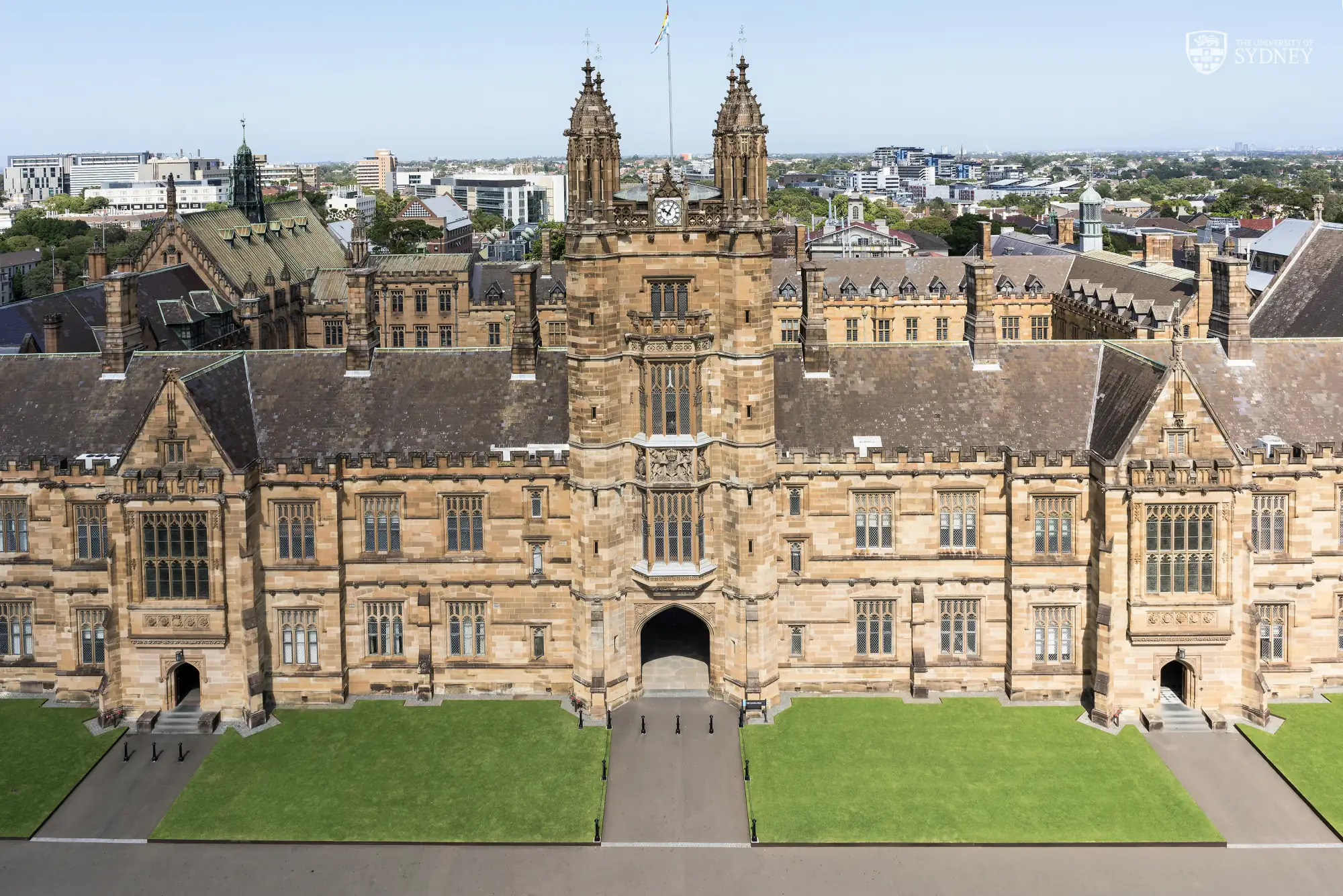
Myth 1: Can Hong Kong public exam English results be used for direct entry into UK and Australian universities?
Many parents mistakenly assume that studying overseas must require an IELTS score. In reality, the vast majority of universities in the UK and Australia hold Hong Kong's main curricula in high regard. As long as your public exam English score meets the threshold, additional language tests can often be waived!
Hong Kong Diploma of Secondary Education (HKDSE)
Direct Entry
Most UK and Australian universities accept HKDSE English results. Generally, achieving Level 4 or above in HKDSE English directly satisfies the language requirements for most undergraduate programmes.
Foundation
Australian University Foundations: Typically accept HKDSE English Level 2 to Level 3.
UK University Foundations: Require a UKVI IELTS score.
International Baccalaureate (IB)
Direct Entry
Universities widely recognise IB English A or English B scores, with specific Higher Level (HL) or Standard Level (SL) thresholds set by individual institutions and degree programmes.
Foundation
If you plan to apply for a UK university foundation programme, UK Visas and Immigration (UKVI) regulations require students to submit an official UKVI IELTS score.
A-Levels
As the vast majority of A-Level students do not sit A-Level English Language or Literature, universities generally assess performance in IGCSE / GCSE English (First Language), usually requiring Grade 4 / C or above.
If a student attends an English-medium instruction (EMI) secondary school, the university may also consider waiving the English test requirement.
Myth 2: Under what circumstances do you need to take IELTS?
While public exam scores carry substantial weight, students will still need to sit IELTS or an equivalent recognised English proficiency test in the following four scenarios:
- Your HKDSE English result falls short of the minimum requirements for direct undergraduate entry or pathway programmes.
- You are applying for a university foundation programme after completing Secondary 5 without public examination results.
- You are applying for UK university pathway or foundation courses, where submitting a UKVI IELTS score is mandatory for visa purposes.
- You are applying for specialised professional healthcare degrees (e.g. Nursing), where universities strictly demand international language proficiency tests (students may also sit other accepted tests, such as PTE Academic).

IELTS Overall Score Requirements for UK & Australian Universities
Should students need to take IELTS, the typical overall score thresholds across UK and Australian institutions are as follows:
Direct Entry
General Requirement
6.5+
Direct Entry (Specialised Degrees)
Healthcare, Law, Education
7.0+
Foundation Programmes
Foundation
5.0+
Individual sub-score requirements for Listening, Reading, Writing, and Speaking may vary depending on the specific course.
Practical Guide: Breakdown of IELTS
What is the actual difference between Standard IELTS and UKVI IELTS? And what remedial options exist if your score falls short?
IELTS One Skill Retake
Retake Rules
If your IELTS score does not meet your target, you can apply for a One Skill Retake within 60 days of the original test date, re-sitting only one of the four modules (Listening, Reading, Writing, or Speaking).
Recognition
Most UK and Australian universities accept One Skill Retake results, though certain elite UK institutions or specialized professional courses (such as Medicine and Law) may not accept it.
What is the Difference Between Standard IELTS and UKVI IELTS?
Content & Difficulty
UKVI IELTS and Standard IELTS share identical exam content, difficulty levels, and marking criteria.
Security & Certification
The UKVI version features stricter administrative and security controls (including full video recording) and provides an official SELT (Secure English Language Test) number required for UK visa applications.
Applicability
UKVI IELTS is required when applying for UK pathway or foundation courses. For direct entry into undergraduate degrees, Standard IELTS is usually sufficient.

Best Timing to Take IELTS
IELTS test scores are valid for two years, so students do not need to leave preparation until the very last minute. A well-planned timeline can significantly alleviate application stress:
- The summer break before Secondary 6 (June - August)
- Secondary 6 Christmas holidays / Prior to school mock exams (December - January)
- After DSE written exams finish and before results release (May - July)
We recommend leaving ample time to prepare and receive your results (typically 3 to 5 days post-exam). This ensures a sufficient buffer period if a retake is required.
Plan Early for More Options!
Entry to top overseas universities is highly competitive. Getting to grips with English entry requirements early not only ensures a smoother transition but also spares you the last-minute panic of scrambling for language qualifications. Whether you aim to enter university directly via HKDSE, secure a place through pathway courses, or target high-threshold healthcare professions, a professional plan is your first step towards success.
As an officially accredited UCAS Registered Centre with years of study-abroad advisory experience, AAS Education Consultancy tailors a comprehensive education pathway tailored to each student's academic performance, strengths, and career aspirations.
Schedule a 1-on-1 consultation today!